Termite Treatment Options

No two termite infestations are exactly alike, which is why every treatment begins with a thorough inspection of your property. At TermiPro, we customize our termite treatment plans based on the location and severity of the infestation to provide the most effective long-term protection.

For subterranean termites, treatment typically involves a combination of structural applications and soil treatments. This comprehensive approach targets active termites within and around your home while creating a protective barrier designed to help prevent future infestations.

Our experienced specialist will recommend the treatment solution best suited for your property, giving you peace of mind that your home is protected from costly termite damage.
Contact Us Today for a Free Quote!

Don’t let pests take over your home or business. Call TermiPro at (610) 831-3545 or fill out our easy online contact form to schedule your appointment today!
Termite Treatment TermiPro Pest Control
Termite Control Near Me TermiPro Pest Control

Termite Swarmers: An Early Warning Sign

Seeing flying termites, known as swarmers, can be one of the first visible signs of termite activity around your home. Termites swarm when winged males and females leave an established colony to mate and form new colonies.

When Do Termites Swarm?

Swarming is most common in spring, but can also occur in late summer or early fall. Environmental conditions like warm temperatures, high humidity, available food sources, and heavy rain can trigger swarming by creating ideal conditions for termites to mate and establish new colonies.

What Should You Do?

If you see swarming termites, save a few samples in a container or bag for proper identification. Take photos of what you are seeing and then you may vacuum them up. Do not spray liquid household insecticides or seal up their exit holes, and contact a licensed pest control professional for a comprehensive property inspection

Drill & Treat

Holes are drilled through concrete slabs, patios, garages, or other areas where necessary to reach the soil beneath the structure. A professional-grade termiticide is then injected into the soil to create a continuous protective barrier. Once treatment is complete, the holes are patched and sealed.


Trench & Treat

A trench is dug around the foundation of the home, and a liquid termiticide is applied directly to the soil. The trench is then backfilled with treated soil, creating a barrier that helps eliminate termites and prevents new colonies from entering the structure.


Wood & Void Treatments

If termites are actively attacking structural wood, localized treatments may be applied directly to wall voids or infested wood members. These treatments target termites already inside the structure and complement the exterior protection.


Termite Baiting Systems

Bait stations are installed in the ground around the perimeter of the property. Foraging termites feed on the bait and carry it back to the colony, helping eliminate the colony over time. Bait systems are a less invasive option but require ongoing monitoring and maintenance.

Termite Treatment
Termite Pest Control Services TermiPro

Which Treatment is Best?

The right treatment depends on factors such as:

  • Where termite activity is found
  • The construction of the home (slab, crawl space, or basement)
  • Accessibility around the foundation
  • The severity of the infestation

With TermiPro, you’re never locked into a one-size-fits-all approach. We tailor every treatment to your unique home and pest challenges.

Warranty Protection

At TermiPro Pest Management Specialist, we stand behind our termite treatments. Our termite treatments include a renewable annual warranty, giving you continued protection and peace of mind. As long as the warranty remains active, we’ll perform annual termite inspections and, if termites return, we’ll retreat the affected areas at no additional charge according to the terms of your warranty.

 Ready to Kick Pests Out for Good?

Contact TermiPro today for a free quote or to schedule your first residential service.
 Call us at (610) 831-3545
 Or fill out our Contact Form for fast service!

Termi Pro pest management services white service letters

Frequently Asked Questions: Termite Treatment

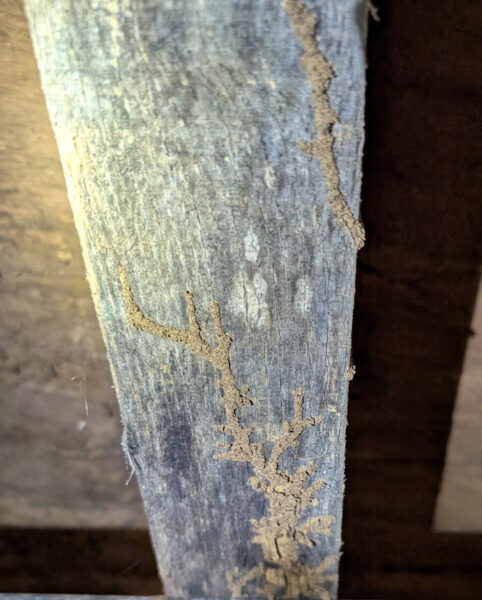
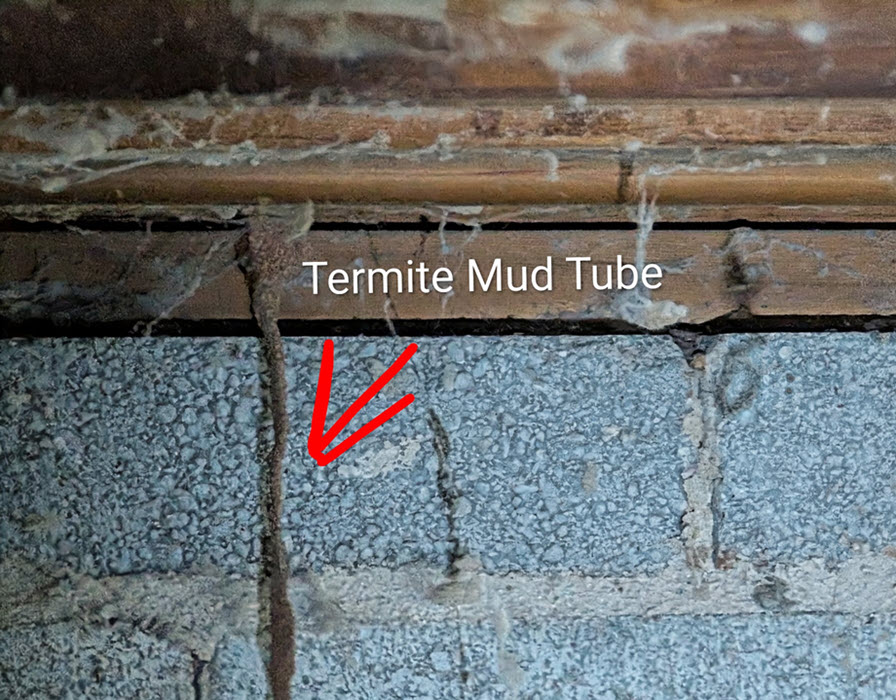
Common signs of termites include mud tubes along your foundation, discarded wings near windows or doors, hollow-sounding wood, bubbling paint, or wood that appears damaged. Because termites often work behind the scenes, many infestations go unnoticed until significant damage has occurred. If you suspect termite activity, schedule a professional termite inspection as soon as possible.

A trench is dug around the foundation of the home, and a liquid termiticide is applied directly to the soil. The trench is then backfilled with treated soil, creating a barrier that helps eliminate termites and prevents new colonies from entering the structure. Annual inspections are recommended to ensure the protective barrier remains effective and to detect any new termite activity early.

Yes. At TermiPro, we use professional-grade termite treatment products that are applied according to strict industry guidelines. Our specialist will explain the treatment process and any temporary precautions, so you feel confident your family and pets are safe.

While professional termite treatment is highly effective, termites are a natural part of the environment and new colonies can develop over time. That’s why ongoing monitoring and routine termite inspections are important for maintaining long-term protection.

A termite inspection is a thorough evaluation of your home to identify signs of termite activity, damage, or conditions that may attract termites. If termites are found, we’ll recommend the most effective treatment plan to eliminate the infestation and help protect your home from future damage.

Absolutely. Because termites live primarily underground or inside wood, they’re often active long before homeowners notice visible signs. Routine termite inspections are one of the best ways to detect problems early and avoid costly structural damage.